
A Homeowner’s Guide to Choosing the Right Deadbolt Installation
We’ve all done it: you crawl into bed, get completely comfortable, and suddenly freeze because you can’t remember if you locked the front door. Your home is your sanctuary, and that means your physical security shouldn’t be a guessing game. While a standard doorknob lock is fine for basic room privacy, real protection against forced entry relies entirely on a heavy-duty deadbolt.
But if you’ve started looking for an upgrade, walking down the hardware aisle or scrolling through online listings can quickly feel overwhelming. From figuring out the structural difference between single and double cylinder deadbolt designs to budgeting for the total deadbolt installation cost, making the right choice requires balancing daily convenience with local safety codes. Whether you plan to hire a residential locksmith or learn how to install a deadbolt yourself, this comprehensive guide cuts through the marketing jargon, cross-references industry standards, and gives you a practical blueprint to handle your next lock upgrade smoothly.
Understanding Deadbolt Types
Before mastering how to install a deadbolt, you need to identify which mechanical configuration aligns with your property style. Deadbolts are no longer one-size-fits-all; they range from traditional mechanical cylinders to advanced smart systems.At South Shore Locksmiths, we routinely install and service all of these major architectural designs to keep local properties secure.
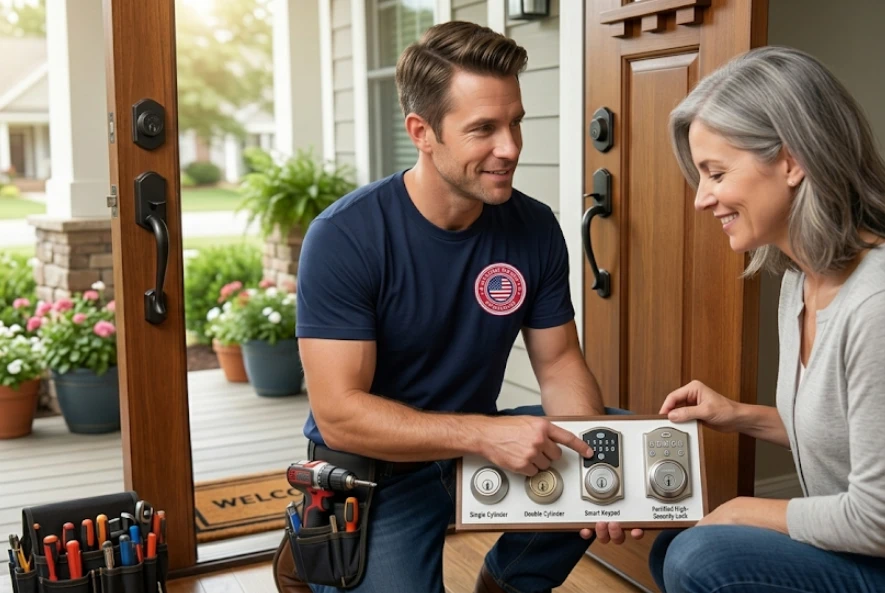
- Single-Cylinder Deadbolts: This remains the most common option across residential properties. A standard single cylinder deadbolt lock features an exterior keyway and a manual thumb-turn piece on the interior for rapid locking.
- Double-Cylinder Deadbolts: These mechanisms are keyed on both sides, meaning a double cylinder deadbolt lock requires a physical key to operate whether you are standing inside or outside the property.
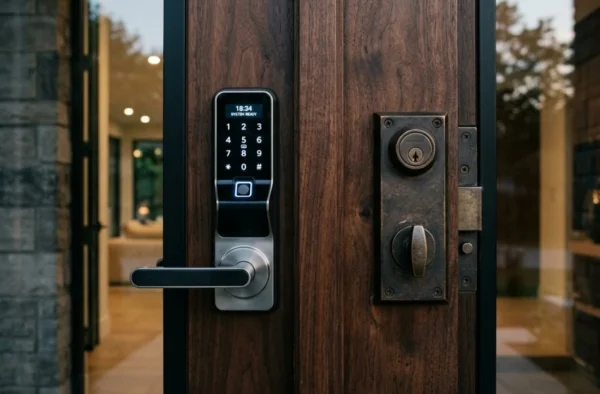
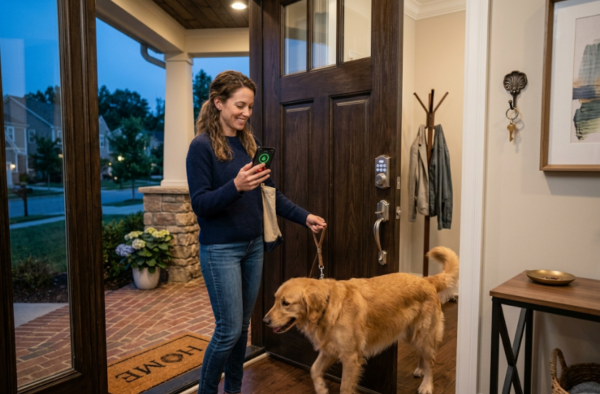
- Smart / Electronic Deadbolts: Built for modern convenience and keyless entry. Opting for an electronic keypad deadbolt installation allows you to utilize custom PIN access codes, temporary guest digital keys, and smart home automation tracking via Wi-Fi or Bluetooth protocols.
- Vertical / Rim Deadbolts: These are heavy-duty, surface-mounted locks highly popular for city apartments, interior rental spaces, and commercial double entry doors. They employ interlocking, jimmy-proof vertical bolts that cast directly into a surface strike bracket, rendering it nearly impossible for intruders to pry the door away from the structural frame.
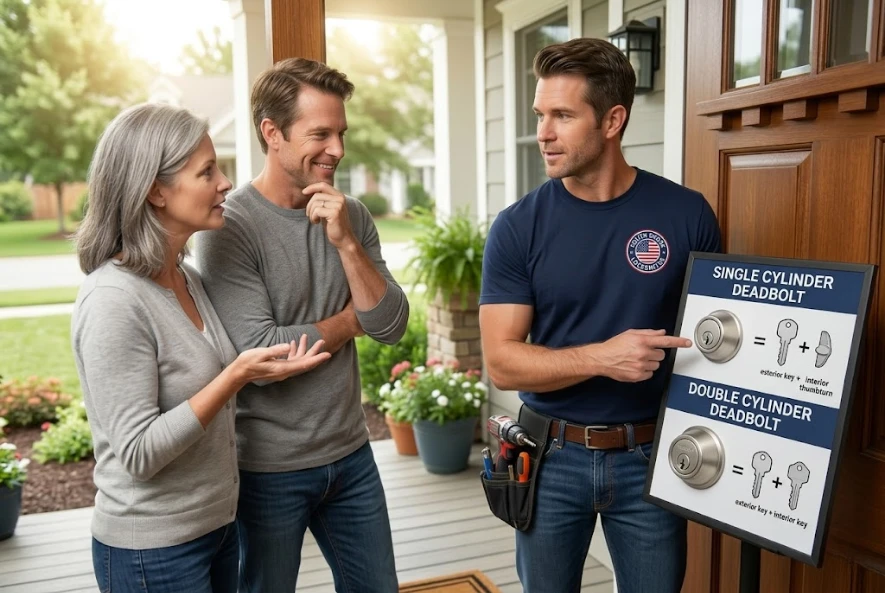
Single Cylinder vs. Double Cylinder Deadbolt
Choosing between a single cylinder vs double cylinder deadbolt is often the biggest dilemma a homeowner faces. Let’s look closer at the mechanics, safety considerations, and brand choices available on the market today.
What Is a Single Cylinder Deadbolt?
When asking what is a single cylinder deadbolt, the answer comes down to quick everyday utility. It is designed for simple, instantaneous egress. If you are rushing out the door or carrying heavy items, you can lock or unlock the door from the inside with a quick turn of the wrist.
Top lock brands dominate this sector with trusted residential engineering:
- Schlage Single Cylinder Deadbolt: Widely recognized for premium commercial-grade residential security tolerances and highly durable internal metal casings.
- Kwikset Single Cylinder Deadbolt: A favorite choice among DIY enthusiasts due to its straightforward structural alignment and customizable re-keying features.
- Brinks Single Cylinder Deadbolt Installation: An excellent budget-friendly deployment option that delivers dependable physical resistance without a premium markup.
What Is a Double Cylinder Deadbolt?
A double cylinder deadbolt is a mechanism engineered strictly for maximum perimeter defense. Because this Deadbolt Installation eliminates the interior thumb-turn entirely, it solves a massive security vulnerability: the glass-pane entry. If an intruder smashes an adjacent window, they are left defeated because they cannot reach inside to open the door without a physical key. For homes with this architectural profile, systems like the Schlage or Kwikset double cylinder deadbolt provide exceptional structural defense. For those wanting automated tracking paired with dual-sided security, a smart double cylinder model offers the perfect blend of electronic alerts and rigid engineering. Investing in a high-quality lock set ensures your side garages and backyard doors remain entirely uncompromised.
Head-to-Head Structural Breakdown
To help you decide which configuration matches your home’s layout, this comparative table highlights the core practical differences:
| Feature | Single Cylinder Deadbolt | Double Cylinder Deadbolt |
| Interior Mechanism | Thumbturn latch (No key needed) | Key cylinder (Requires a physical key) |
| Best Used For | Solid wood or metal doors without adjacent glass | Glass-paneled doors or doors near side windows |
| Emergency Exit Safety | Excellent; fast, keyless egress during fires | Severe Risk; requires locating a key to escape |
| Intruder Bypass Risk | Higher if glass is broken to manually reach inside | Extremely low; cannot be manipulated without a key |
| Popular Top Picks | Kwikset, Schlage, Yale, Brinks single cylinder | Kwikset, Schlage double cylinder, Smart variants |
Key Factors to Consider Before Buying
Before purchasing a new lock or unboxing a deadbolt installation kit, you must audit your door’s physical measurements and structural rating requirements.
The ANSI Grading System
The American National Standards Institute (ANSI) and the Builders Hardware Manufacturers Association (BHMA) grade builders’ hardware based on longevity, operational cycles, and resistance to brutal physical force attacks:
- Grade 1 (Highest Security): Top-tier commercial grade specification. Tested to withstand up to 10 heavy hammer strikes and 1 million open/close cycles. This represents the absolute best single cylinder deadbolt or best double cylinder deadbolt standard for maximum structural protection. If your business requires this level of protection, exploring a high-security commercial locksmith service upgrade is highly recommended.
- Grade 2 (Standard Residential): Recommended mid-range option for typical residential front doors. It easily withstands 5 heavy hammer strikes and 400,000 cycles. If you require expert support choosing or setting up these systems, reaching out to a dedicated residential locksmith service will ensure the job is done perfectly.
- Grade 3 (Basic Security): Minimum acceptable residential security rating. Typically reserved for secondary back doors or interior garage access points.
Door Material, Thickness, and Compatibility
Your door’s core material (solid wood, fiberglass, or steel/metal) determines the type of cutting tools required. Standard residential entry doors are typically 1-3/8 inches to 1-3/4 inches thick; always verify your chosen lock accommodates these measurements.
Additionally, check your backset the distance from the physical door edge to the center of the main lock borehole. Standard residential measurements are always either 2-3/8 inches or 2-3/4 inches. Most modern deadbolts feature an adjustable internal latch that shifts smoothly to accommodate both configurations.
Aesthetics and Finish
Security does not have to compromise curb appeal. Coordinate your lock hardware finish with your home’s existing house numbers, hinges, and exterior lighting fixtures. Modern options run wide ranging from classic polished brass and oil-rubbed bronze to contemporary satin nickel and low-profile matte black.
The Anatomy of a Secure Deadbolt
A secure lock relies entirely on its interior build components. If you want true protection against covert picking or brutal forced entry tactics, verify your lock features these architectural designs:
- Bolt Throw Length: Ensure the lock features a minimum 1-inch bolt throw. A shorter half-inch latch can easily slip out of the frame if the door is forcefully pried or kicked. A full inch ensures deep anchoring inside the structural wall studs.
- Anti-Drill and Anti-Pick Features: Premium deadbolt locks with bump key protection utilize hardened steel inserts within the main housing to shatter incoming drill bits. They also feature specialized internal security pins (like spool or mushroom pins) that bind up and jam if an intruder attempts to pick the lock cylinder.
- Lock Bumping Protection: Lock bumping involves using a specially cut key to force a lock’s internal pins above the shear line, allowing a swift, forced entry without leaving visible damage. Buying a lock with dedicated lock bumping protection (such as Kwikset’s SmartKey side-locking bar design) completely neutralizes this specific entry method by eliminating traditional pin-and-tumbler vulnerabilities altogether.
The Cost of Deadbolt Installation
Your total financial investment depends directly on your chosen hardware tier and whether you are replacing an existing lock or cutting entirely new boreholes into a raw door. For a transparent breakdown of labor rates and mechanical hardware packages, check our updated locksmith pricing guide.
| Lock Type / Installation Scenario | Other Professional Locksmith Cost | South Shore Locksmiths Cost |
| Standard Single Cylinder (Replacement) | $70 – $120 | $65 – $120 (Affordable Rate) |
| Standard Double Cylinder (New Hole Cutting) | $120 – $200 | $65 – $120 (Affordable Rate) |
| Electronic Keypad Deadbolt (Replacement) | $80 – $140 | $65 – $120 (Affordable Rate) |
| High-Security / Smart Double Cylinder | $120 – $220 | $65 – $120 (Affordable Rate) |
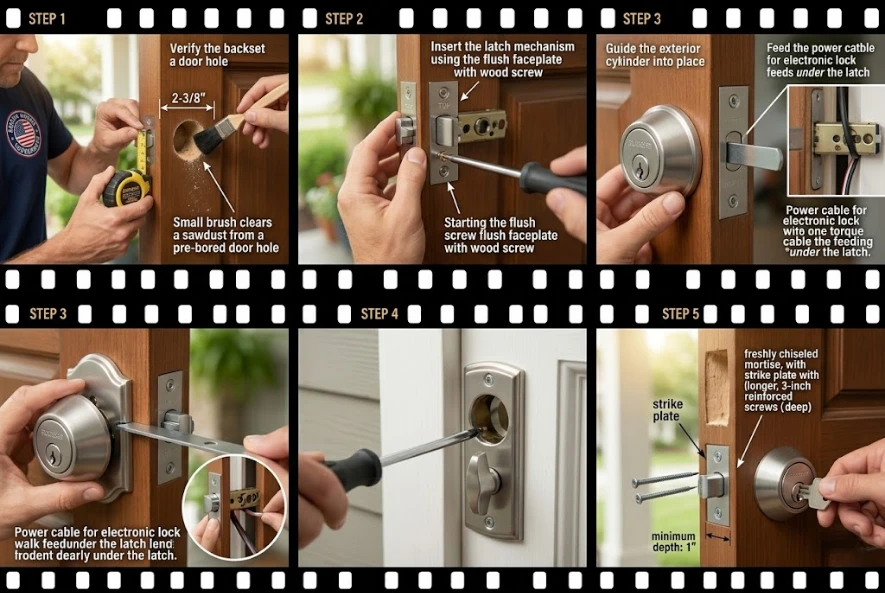
Step-by-Step Guide: How to Install a Deadbolt
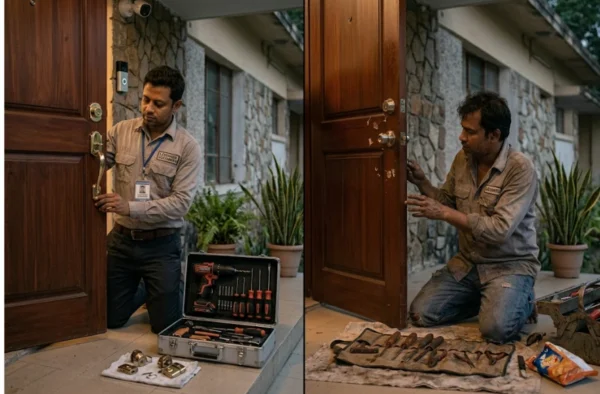
If you have a pre-bored door, executing a standard single cylinder deadbolt installation takes less than 20 minutes. If you are preparing a raw door, using a specialized deadbolt installation kit (which features a clamping template guide and hole saws) ensures your cuts stay perfectly centered.
1.Measure the Backset and Prep:( Pre-installation check.)
Verify your door’s backset (2-3/8″ or 2-3/4″). Clear any leftover sawdust, splinters, or old paint out from the pre-drilled boreholes to ensure a clean, stable seating surface.
2.Install the Deadbolt Latch:( Aligning the bolt.)
Insert the deadbolt latch into the edge hole of the door. Ensure the “Top” indicator mark faces upward. If the bolt mechanism is extended, retract it. Secure the latch faceplate flush to the edge using wood screws.
3.Mount the Exterior Cylinder:( Feeding the torque blade.)
Guide the flat metal tailpiece horizontally or vertically through the center slot of the internal latch. If managing an electronic smart lock, gently feed the power/data cable underneath the latch mechanism to the inside.
4.Secure the Interior Assembly:( Tightening the hardware.)
Position the interior plate over the bore hole. Thread the structural screws through the plate, catching the threads of the exterior housing. Tighten firmly with a screwdriver, but avoid over-torqueing, which can bind the internal cylinder.
5.Mount the Strike Plate and Test:( Final validation.)
Chisel or drill out the mortise pocket on the door frame to a minimum depth of 1 inch. Install the heavy-duty strike plate. Use 3-inch reinforced screws to anchor deep into the wall framing studs. Test the smooth key rotation with the door open and closed.
DIY vs. Professional Locksmith
When to DIY
If your door is already pre-bored with clean holes, handling the install deadbolt process yourself is an easy afternoon win. You only need basic household tools: a standard tape measure, a Phillips-head screwdriver, and a wood chisel to recess the strike plates.
When to Call a Professional Locksmith
You should consider paying a professional deadbolt installation cost or reaching out to a local pro if:
- You are dealing with an unbored, completely blank door that requires specialized hole saws.
- You have high-end smart lock wiring setups that must integrate with an advanced home security panel.
- You experience a unexpected mechanical alignment failure mid-installation and require an immediate emergency locksmith service to secure your property before nightfall.
- You have a delicate historical or antique door that is prone to splitting along the grain if drilled incorrectly.
If you are dealing with complex entry setups, learning more about the experience of South Shore Locksmiths will give you peace of mind that your residential hardware adjustments are being handled safely and professionally.
Common Installation Mistakes to Avoid
- Misaligned Latches: Forcing parts together when they don’t sit straight causes internal friction, leading to premature mechanical wear or sticky key operation.
- Shallow Strike Plate Holes: If you do not drill the frame hole a full inch deep, the deadbolt won’t fully extend. If it cannot lock out completely, its internal safety deadlock pins won’t engage, leaving it vulnerable to being bypassed.
- Using Short Screws: Skipping the long screws means your lock is held up by nothing but thin decorative door trim. A single kick will easily rip the frame apart.
Maintenance, Upkeep, and Troubleshooting
A great deadbolt installation should last for decades if you maintain it properly.
- Weatherproof Protection: Changes in seasonal temperature and humidity cause wood doors to swell or warp. Once or twice a year, lubricate your lock’s keyway using a dry graphite lubricant or a dedicated Teflon spray. Never use WD-40 or heavy household oils, as they attract dust and outdoor grime, eventually gumming up the internal pin-tumbler springs.
- Signs It’s Time to Replace Your Deadbolt: Do not wait until you are locked out of your house to replace failing hardware. Inspect your lock immediately if you experience loose or spinning cylinders, significant resistance when turning the key, or heavy visible rust, cracks, and metal wear.
Securing Your Home with Confidence
Choosing and executing the right deadbolt installation is one of the most effective, high-yield upgrades you can make to your home’s security. Whether you opt for a classic, budget-friendly Brinks single cylinder deadbolt installation, a high-security Schlage double cylinder deadbolt for a glass-paneled entry, or the modern convenience of an electronic keypad deadbolt installation, the key to long-term safety lies in the details.
Take the time to verify your door’s measurements, select an ANSI Grade 1 or Grade 2 certified lock, and never skip installing those 3-inch reinforcement screws into your strike plate. By matching the right deadbolt type to your specific door material and lifestyle needs, you create a robust physical barrier that protects your family, deters intruders, and provides true peace of mind for years to come.
If you are ready to upgrade your residential perimeter defenses or need a professional team to handle complex modifications flawlessly, get in touch with the local security experts at South Shore Locksmiths to schedule an appointment today!
Frequently Asked Questions
1. How often should I replace my home’s deadbolts?
You should consider replacing your deadbolts if you have recently moved into a new home, if the keys are sticking, or if the internal mechanism feels loose. If you are unsure about the security of your current hardware, you can explore our residential locksmith services for a professional inspection or an upgrade. Regularly updating your hardware ensures your home remains secure against modern lock-picking techniques.
2. Can I handle my own Deadbolt Installation or should I hire a pro?
If you are comfortable using basic power tools, a Deadbolt Installation is a manageable DIY project. However, if your door is made of metal or requires precise alignment, hiring a professional locksmith will ensure the lock functions smoothly and maintains its maximum security rating.
3. What is the difference between Grade 1 and Grade 2 locks?
Grade 1 locks are the highest quality available, designed primarily for commercial use but ideal for maximum home security. Grade 2 locks are the standard for residential homes, offering a reliable, cost-effective solution for most entryways.
4. Why is a professional Deadbolt Installation important for insurance?
Many insurance providers require that your locks meet specific security standards to qualify for full coverage. A proper Deadbolt Installation that uses heavy-duty strike plates and high-quality hardware often satisfies these security requirements and can sometimes lead to lower premiums.